The following listing was compiled by David G. Lanoue and taken from http://haikuguy.com/issa/search.php?keywords=Kyoto&year
Copyright belongs to D.G. Lanoue
78 haiku out of Issa’s 10,000 are set in Kyoto
year unknown
.洛陽やちとも曲らぬ初時雨
rakuyô ya chito mo magaranu hatsu shigure
Kyoto–
falling straight down
the first winter rain
1792
.みやこ哉東西南北辻が花
miyako kana tôzainamboku tsuji ga hana
in Kyoto
east, west, south, north…
summer kimonos
The phrase, “crossroads blossoms” (tsuji ga hana), is a euphemism for a light summer garment made of hemp: katabira. In this archive, I translate both katabira and awase as “summer kimono.” Hiroshi Kobori explains that tsujiga-hana designs were in fashion from the mid-Muromachi era until the early Edo era; they were mostly dyed purple, red, and deep indigo…”bold and marvelous.”
Makoto Ueda writes that the “blossoms” (hana) refer to the colorful kimonos worn by the people of Kyoto; Dew on the Grass: The Life and Poetry of Kobayashi Issa (Leiden/Boston: Brill, 2004) 28. Since kimono is a more widely known term than katabira, I use it in my translation, following professor Ueda’s example.

1795
.或時は花の都にも倦にけり
aru toki wa hana no miyako ni mo aki ni keri
there comes a time
even in blossoming Kyoto…
sick of it
1802
.片枝は都の空よむめの花
kata eda wa miyako no sora yo mume no hana
one branch makes
Kyoto’s sky…
plum blossoms
1803
.京見えてすねをもむ也春がすみ
kyô miete sune wo momu nari harugasumi
1803
.天の川都のうつけ泣やらん
ama [no] kawa miyako no utsuke naku yaran
Milky Way–
maybe the fools of Kyoto
are crying
Shinji Ogawa notes that yaran makes the verb (“cry”) conjectural (“may be weeping”). He is also puzzled by this haiku.
Jean Cholley believes that Issa is alluding to the fact that refined poets of the court followed a tradition of composing repetitive and cliché poems about the Milky Way; En village de miséreux: Choix de poèmes de Kobayashi Issa (Paris: Gallimard, 1996) 235, note 19.
1803
.京も京京の真中や鰒と汁
kyô mo kyô kyô no manaka ya fukuto-jiru
Kyoto, Kyoto
in the heart of Kyoto!
pufferfish soup
1803
.京にも子分ありとや鰒と汁
miyako ni mo kobun ari to ya fukuto-jiru
in Kyoto
even for apprentices!
pufferfish soup
Pufferfish soup, a winter season word, was a luxury dish.
1804
.行雁に呑せてやらん京の水
yuku kari ni nomasete yaran kyô no mizu
geese taking off
have a drink on me…
Kyoto’s water
1804
.京人にせつちうされし桜哉
kyôbito ni setchû sareshi sakura kana
blended in
with people of Kyoto…
cherry blossoms
1804
.夕立や舟から見たる京の山
yûdachi ya fune kara mitaru kyô no yama
rainstorm–
watching from a boat
Kyoto’s mountain
1804
.夏の山京を見る時雨かかる
natsu yama ya kyô wo miru toki ame kakaru
summer mountain–
just when I sight Kyoto
rain!
1804
.名月や都に居てもとしのよる
meigetsu ya miyako ni ite mo toshi no yoru
harvest moon–
even in Kyoto
growing old
Sakuo Nakamura notes that the full moon in decline over Kyoto might have a political dimension: “authority in ancient time all has gone away,” as the center of power in Japan has moved from imperial Kyoto to the Shogun’s city, Edo (Tokyo).
1804
.七夕や都もおなじ秋の山
tanabata ya miyako mo onaji aki no yama
Tanabata Night
in Kyoto, the same
autumn mountain
1805
.春の日を降りくらしたる都哉
haru no hi wo furikurashitaru miyako kana
on the spring day
all day, rain…
Kyoto
1805
.雨がちに都の春も暮る也
amegachi ni miyako no haru mo kururu nari
1805
.入口に柳の立し都哉
iriguchi ni yanagi no tatashi miyako kana
1806
.梅がかを都へさそふ風も哉
ume ga ka wo miyako e sasou kaze mo gana
may the wind send
this plum blossom scent
to Kyoto!
1807
.時鳥都にして見る月よ哉
hototogisu miyako ni shite miru tsuki yo kana
cuckoo–
since you’re in Kyoto
look at that moon!
1808
.梅ちりて急に古びる都哉
ume chirite kyû ni furubiru miyako kana
plum blossoms gone
suddenly Kyoto
looks old
Sakuo Nakamura conjures the following image with this haiku: “The season of plum blossom has passed away. People have forgotten their joyous mood and now are going to work. The dream is over and real life has appeared. It seemed to Issa as if Kyoto has suddenly grown older.”
Sakuo’s second image is that, after the plum blossom have fallen, there is “little gorgeousness” in Kyoto.
Originally, I translated the first phrase, “plum blossoms scatter,” but Shinji Ogawa points out that (“chiru, in association with blossoms, sometimes means, ‘the season is gone’ without implying the movement of falling flowers.” The verb furubu means to become old-style; see Kogo dai jiten (Shogakukan 1983) 1460.
1808
.青柳のかかる小隅も都哉
ao yagi no kakaru kosumi mo miyako kana
1808
.かはほりよ行々京の飯時分
kawahori yo yuke-yuke kyô no meshi jibun
get a move on, bat!
it’s dinnertime
in Kyoto
1808
.梅の木や都のすすの捨所
ume no ki ya miyako no susu no sute-dokoro
plum tree–
the dumping ground for
Kyoto’s soot
1808
.餅つきや都の鶏も皆目覚
mochi tsuki ya miyako no tori mo mina mezamu
pounding rice cakes–
in Kyoto all chickens
are awake
1810
.行秋やすでに御釈迦は京の空
yuku aki ya sude ni o-shaka wa kyô no sora
autumn ends–
already the Buddha
fills Kyoto’s sky
1810
.有明や納豆腹を都迄
ariake ya nattô hara wo miyako made
dawn–
for a bellyful of natto
a trip to Kyoto
Nattô is fermented or “spoiled” soybeans–popular among the Japanese but, for many foreigners, a gastronomic challenge. In Issa’s time it was especially eaten in the winter for health reasons, and therefore is a winter season word.
1811
.時鳥汝も京は嫌ひしな
hototogisu nanji mo kyô wa kirai shina
oh cuckoo
you also hate Kyoto
don’t you?
1812
.行月や都の月も一涼み
yuku tsuki ya miyako no tsuki mo hito suzumi
the moon departs–
in Kyoto even she enjoys
the cool breeze
In the haiku, everyone in the capital goes out to enjoy the cool air of the summer evening … even the moon.
1813
.薮入が供を連たる都哉
yabuiri ga tomo wo tsuretaru miyako kana
The servant in this haiku is either leaving the capital or returning to it. I think it makes more sense to picture him returning: bringing along a new recruit from his native village to join the ranks of Kyoto servants.
1813
.都辺や凧の上るもむづかしき
miyakobe ya tako no age[ru] mo muzukashiki
a Kyoto suburb–
even flying kites
is hard
1813
.鉄釘のやうな蕨も都哉
kanakugi no yôna warabi mo miyako kana
even the bracken
are like nails…
Kyoto
1813
.髭どののかざさるる也京扇
hige dono no kazasaruru nari kyô ôgi
shading
Mr. Long-Beard’s eyes…
a paper fan from Kyoto
1813
.夜々は本ンの都ぞ門涼
yoru yoru wa hon no miyako zo kado suzumi
1813
.山人や雪の御かげに京ま入
yamaudo ya yuki no o-kage ni kyô mairi
the mountain hermit
under a bundle of snow
Kyoto-bound
Yamaudo, literally, a “mountain person,” also signifies a hermit. Seasonally, this haiku pertains to summer, referring to snow and ice brought down from the mountains to make cold refreshments on hot days. The hermit is heading to Kyoto to sell his snow.
1813
.行な蛍都は夜もやかましき
yuku na hotaru miyako wa yoru mo yakamashiki
1813
.ここらから都か紙子きる女
kokora kara miyako ka kamiko kiru onna
“Are these the outskirts
of Kyoto?”
woman in a paper robe
Shinji Ogawa paraphrases kokora kara miyako ka as: “Around here on does Kyoto begin?” He believes that Issa is the traveler, questioning the woman in the paper robe.
In a similar haiku of the same year (1813) he asks the same question about the more ancient capital, Nara.
Paper robe (kamiko) is a winter season word: a thin, wind-resistant outer kimono.
1814
.鶯のぬからぬ顔や京の山
uguisu no nukaranu kao ya kyô no yama
the nightingale’s
“I’m perfect” face…
Kyoto’s mountain
1814
.飯前に京へいて来る乙鳥哉
meshimae ni kyô e ite kuru tsubame kana
before dinner
off to Kyoto and back…
swallows
1814
.はつ蛍都の空はきたないぞ
hatsu-botaru miyako no sora wa kitanai zo
first firefly–
the sky over Kyoto
is smoggy!
1814
.蚊柱の穴から見ゆる都哉
ka-bashira no ana kara miyuru miyako kana
through a hole
in the mosquito swarm…
Kyoto
The mosquitoes are swarming in a column (ka-bashira). Sakuo Nakamura pictures Issa, as he approached Kyoto, feeling heavy pressure to do well in this cultural and literary center. “Those pressures stood before him like a mosquito swarm.”
1815
.出代が駕にめしたる都哉
degawari ga kago ni meshitaru miyako kana
one migrating servant
rides a palanquin…
Kyoto
In springtime, old servants were replaced by young ones. The old ones would leave their employers to return to their home villages; the young ones traveled in the opposite direction. In earlier times this took place during the Second Month; later, the Third Month. The “servant” in the palanquin is a geisha or courtesan.
1815
.京も京々の五条の乙鳥哉
kyô mo kyô kyô no go jô no tsubame kana
Kyoto, Kyoto!
on Kyoto’s Fifth Avenue…
swallows
1815
.むだ人や花の都も秋の風
muda hito ya hana no miyako mo aki no kaze
vain mankind!
even in blossoming Kyoto
autumn wind
1815
.でも花の都で候か汚れ雪
demo hana no miyako de soro ka kegare yuki
blossoming Kyoto
is it?
dirty snow
1816
.是程にけちな桜も都哉
kore hodo ni kechina sakura mo miyako kana
even around here
paltry cherry trees…
Kyoto
even in the capital
such a miserable
cherry tree
Either way, the irony lies in the fact that Kyoto would normally be expected to flaunt the loveliest blooming trees. Shinji adds, “There are many famous places for cherry blossom viewing in Kyoto. The most famous place is Arashiyama, which holds 5,500 cherry trees. Some of Issa’s haiku show Kyoto-bashing. Perhaps it comes from the rivalry between Edo and Kyoto.” Edo (today’s Tokyo) was the Shogun’s center of power in Issa’s time; Kyoto was the old imperial capital.
1816
.茶仲間や田も青ませて京参り
cha nakama ya ta mo aomasete kyô mairi
1816
.京辺や冬篭さへいそがしき
miyakobe ya fuyugomori sae isogashiki
1817
.都ぢや梅干茶屋の梅の花
miyakoji ya umeboshi chaya no ume no hana
1819
.鋲打の駕で出代る都哉
byôuchi no kago de degawaru miyako kana
a studded palanquin
for the migrating servant…
Kyoto
In springtime, old servants were replaced by young ones. The old ones would leave their employers to return to their home villages; the young ones traveled in the opposite direction. In earlier times this took place during the Second Month; later, the Third Month. The migrating worker in this haiku is a geisha or courtesan. She is riding in a “riveted” (byôuchi) palanquin.
1819
.京の夜や白い帷子しろい笠
kyô no yo ya shiroi katabira shiroi-gasa
Kyoto night–
white summer kimonos
white umbrella-hats
1819
.急グかよ京一見のほととぎす
isogu ka yo kyô ikken no hototogisu
1819
.都哉橋の下にも年わすれ
miyako kana hashi no shita ni mo toshiwasure
Kyoto–
even under bridges
drinking away the year
This haiku refers to end-of-year drinking parties.
1819
.百敷や都は猫もふとん哉
momoshiki ya miyako wa neko mo futon kana
imperial palace–
in Kyoto even cats
have futons!
1820
.京人や日傘の陰の野酒盛り
kyôbito ya higasu no kage no no-sakamori
people of Kyoto
in parasol shade
drinking sake
1820
.さすとても都の蚊也夕涼
sasu totemo miyako no ka nari yûsuzumi
though they bite
they’re Kyoto mosquitoes…
evening cool
1820
.京を出て一息つくかはつ忖
kyô wo dete hito iki tsuku ka hatsu hotaru
after leaving Kyoto
catching your breath?
first firefly
1820
.京入の声を上けりしなのごま
kyô iri no koe wo age keri shinano-goma
entering Kyoto
he lets loose a neigh…
Shinano pony
1820
.京都では菊もかむるや綿えぼし
miyako [de] wa kiku mo kamuru ya wata eboshi
in Kyoto
even for chrysanthmums…
cotton courtier caps
1820
.渋柿をこらへてくうや京の児
shibugaki wo koraete kuu ya miyako no ko
1820
.京の児柿の渋さをかくしけり
miyako no ko kaki no shibusa wo kakushi keri
Kyoto child–
pretending the persimmon
is sweet
This haiku recalls one that Issa wrote in 1809:
yabuiri ga kaki no shibusa wo kakushi keri
homecoming servant–
pretending the persimmon
is sweet
1820
.せき候も三弦にのる都哉
sekizoro mo samisen ni noru miyako kana
a samisen joins
the Twelfth Month singers…
Kyoto
Here, an elegant geisha playing a samisen adds her music to that of some roving beggar-singers–a wonderful expression of harmony transcending social classes. A samisen is a long-necked, three-stringed banjo-like instrument, plucked with a plectrum. Sekizoro refers to a Twelfth Month custom in which strolling singers wandered from town to town, singing festive celebration songs; Kiyose (Tokyo: Kakugawa Shoten, 1984) 348. Shinji Ogawa adds, “They covered their mouths like ladies in the Arab countries. They usually consisted of three or four persons with some types of musical instruments.”
1821
.短夜を橋で揃ふや京参り
mijika yo wo hashi de sorou ya kyô mairi
in the short night
crossing bridges en masse…
Kyoto pilgrimage
1821
.灯ろ見の朝からさわぐ都かな
torô mi no asa kara sawagu miyako kana
Bon lantern viewing
from morning on a ruckus…
Kyoto
1821
.京人やわら叩さへ小夜ぎぬた
keijin ya wara tataku sae sayo-ginuta
Kyoto people
even beat their straw!
night cloth-pounding
1822
.傘の雫もかすむ都哉
karakasa no shizuku mo kasumu miyako kana
1822
.京迄は一筋道ぞ花見笠
kyô made wa hitosuji michi zo hanami-gasa
a straight line
all the way to Kyoto…
umbrella-hatted blossom viewers
1822
.灯籠の火で夜なべする都かな
tôro no hi de yonabe suru miyako kana
night work lit
by a lantern for the dead…
Kyoto
The Bon Festival of the Dead takes place in Eighth Month in the old lunar calendar. At this time, people light lanterns to guide their ancestors’ spirits back home.
1822
.炭迄も鋸引や京住居
sumi made mo nokogiri hiku ya kyô-zumai
they even cut charcoal
with a saw!
life in Kyoto
Shinji Ogawa explains that the cheapest way to prepare charcoal is to simply crack it. However, the rich people in Kyoto preferred to have their charcoal neatly sawed.
1822
.ひとり身や薬喰にも都迄
hitori mi ya kusuri kuu ni mo miyako made
my life alone–
just to take medicine
a trip to Kyoto
“Medicine” (kusuri) is a winter season word. In a similar, undated haiku, Issa writes:
hitori mi ya ryôgoku e dete kusuri kuu
my life alone–
all the way to Ryogoku Bridge
for medicine
1823
.出代や山越て見る京の空
degawari ya yama koshite miru kyô no sora
migrating servants
crossing the mountain see…
Kyoto’s sky
1823
.花さくや京の美人の頬かぶり
hana saku ya kyô no bijin no hohokaburi
cherry blossoms–
the pretty women of Kyoto
cheeks wrapped in scarves
Shinji Ogawa has his doubts about this interpretation. He writes, “It is true that the metaphoric meaning of hohokaburi (“know-nothingism”) is used in Japanese, especially in modern Japanese, quite often, but the hohokaburi itself, especially in Issa’s day, was a quite normal way to wear the tenugui (“scarf”). This was the uniform of village girls working in the fields: something he saw every day back home.” Shinji adds, “It might have been rather refreshing for him to see that Kyoto’s pretty women, too, tied scarves around their cheeks in hohokaburi style.”
“Blossoms” (hana) can denote cherry blossoms in the shorthand of haiku.
1823
.あばれ蚊のそれでも都そだち哉
abare ka no soredemo miyako sodachi kana
a pesky mosquito
though raised
in Kyoto
1823
.雪払ふ拍子に都めぐり哉
yuki harau hyôshi ni miyako maguri kana
1824
.初夢の不二の山売る都哉
hatsu yume no fuji no yama u[ru] miyako kana
year’s first dream–
Mount Fuji is sold
in Kyoto
Shinji Ogawa notes that in Issa’s Japan, at the end of year, special drawings were sold. It was believed that if one slept placing the drawing under the pillow, one would dream a wonderful first dream of the year. The best dream was believed to be of Mount Fuji. This is why Issa says, “Mount Fuji of the year’s first dream is sold in Kyoto.” Shinji continues: “The picture is called takara-bune, or treasure ship; it includes the seven saints of luck with rice bags.” This contextual knowledge helps us to read the haiku as Issa’s original audience might have done. However, to the modern reader unaware of this context, the translation alone, with its image of Mount Fuji being sold, is wonderfully surreal.
1824
.鶯の弟子披露する都哉
uguisu no deishi hirô suru miyako kana
the nightingale presents
his apprentice…
Kyoto
An older nightingale is training a younger “apprentice” (deishi) in the art of singing.
1824
.花見るも銭をとらるる都哉
hana miru mo zeni wo toraruru miyako kana
In the shorthand of haiku, “blossoms” (hana) can mean “cherry blossoms.”
1824
.はつ蛍つひに都をかけぬける
hatsu hotaru tsui ni miyako wo kakenukeru
first firefly–
carelessly it leaves
Kyoto
Shinji Ogawa observes that tsui ni has several meanings:”carelessly,” “swiftly,” or “finally.” And the verb kakenukeru has two possible meanings: to “run through” or “go out of.” Therefore, six translations are possible: (1) the firefly carelessly runs through Kyoto; (2) it carelessly leaves Kyoto; (3) it swiftly runs through Kyoto; (4) it swiftly leaves Kyoto; (5) it finally goes through Kyoto; and (6) it finally leaves Kyoto.
I’ve decided on option 2 for its humor: the firefly is headed in the wrong direction, leaving the blossom-filled capital.
1825
.京入も仏頂面のふくと哉
kyô iri mo butsu chôzura no fukuto kana
entering Kyoto too
a bunch of sour-faced
pufferfish!
The expression, butsu chôzura (Buddha-face) refers to a sullen or sour face. This haiku is not a very flattering portrait of its inhabitants.
All translations © 1991-2010 by David G. Lanoue, rights reserved.
year’s first dream–
Mount Fuji is sold
in Kyoto
Kobayashi Issa Tr. David Lanoue
******************
The following material is taken with thanks from Gabi Greve’s blog on Issa…或時は花の都にも倦にけり
aru toki wa hana no miyako ni mo aki ni keriin time even Kyoto,
great flower of a city,
fails to dazzle
This hokku was written when Issa was staying with haikai poets in Matsuyama on the island of Shikoku during the first month (February) of 1795 during a journey through Shikoku and western Honshu that was part of a longer series of journeys through western Japan he made after finishing his apprenticeship as a young haikai poet in Edo. The hokku is part of a haibun travelog by Issa usually referred to as Record of Travels in Western Provinces (Saigoku kikou 西国紀行), and it was written at a hokku meeting with poets in Matsuyama, so it is no doubt a greeting to the local haijin. Issa also took part in a kasen renku there.
Matsuyama is a fairly warm area, and the cherries are already in bloom when Issa writes, but his hokku refers to more than cherry blossoms. He uses a traditional epithet that refers to the whole city of Kyoto, which had long been the center of the imperial court and courtly culture, including waka, renga, and haikai. The phrase hana no miyako or “blossoming/flowering capital” was often used to praise Kyoto as the greatest flowering of art and culture in all of Japan, though “blossoming” was also used to refer to the glamorous, elegant sights of the city itself and its many festivals, performances, paintings, temples, and publishers. Even in Issa’s time Kyoto maintained much of its aura as the incomparable site of the flowering of traditional culture, even though popular arts were showing as much or more creativity in big cities like Edo, Osaka, and Nagoya. This expanded sense of “blossom” is similar to the notion behind the dynamic “blossom place” in renku.
It seems likely that Issa in this hokku is suggesting that even elegantly and culturally alluring Kyoto, including its cherry trees, eventually loses its aura and that he is even more interested in the country haikai and the blossoms in Matsuyama, since they are in their own way equal to those of Kyoto. Issa, born in a farming village, probably sincerely believed this, and he never seems to have thought of settling in Kyoto. In fact, he spent much more time in rural areas during his many journeys at the end of the eighteenth century. And unknown, of course, to Issa, Matsuyama would later become the birthplace of Shiki and play an important role in the creation of modern Japanese haiku as a new genre.
Chris Drake
Gabi Greve – Issa said…Kobayashi Issa
傘の雫もかすむ都哉
karakasa no shizuku mo kasumu miyako kana
paper umbrellas
dripping…
misty Kyoto
(Tr. David Lanoue)
*************************
Gabi Greve – Issa said…
Kobayashi Issa
京迄は一筋道ぞ花見笠
kyoo made wa hitosuji michi zo hanami-gasa
on one road
all the way to Kyoto —
blossom-viewing hats
This hokku is from the ninth month (October) of 1822, but it has the word “spring” above it in Issa’s diary. It seems to be a hokku presenting an almost ecstatic vision on a very large scale. There were two main routes linking Edo and Kyoto, one following the Pacific coast and one going through the mountains of central Honshu, but I take Issa to be referring to the Tokaido road going along the Pacific coast, since the road through the mountains branched off here and there, while the second line of the hokku says a single road road extends all the way to Kyoto. The weather near the Pacific was also warmer, so there would be cherries in bloom all the way from Edo, where the shogun lived, to Kyoto, the ancient imperial capital. The Tokaido road was 492 km (306 miles) long, and the journey from Edo to Kyoto usually took about two weeks, though travelers had a variety of inns and restaurants to choose from along the way. One thing almost every traveler wore was a wide hat woven from rush, straw, bamboo, or other materials. Some were conical in shape, others flat or rounded, but Issa says that at this time of year they all equally turn into hats for cherry blossom viewing.
The long journey was arduous for most travelers, but the hokku seems to be suggesting that at this time of year people forget their difficulties and participate in a great collective blossom-viewing walk that goes on and on dreamlike for two weeks. The physical hats look the same as they were before their wearers began the trip, but the feelings of the wearers are no longer the same. One indication of the transformation seems to be the double meaning of “on one road,” hinted at by Issa’s use of the emphatic particle zo together with it: here “on one road” can mean not only 1) traveling on one physical road but also 2) with all your heart, intently, as if possessed by the blossoms.
Sometime during the 1790s Issa wrote a somewhat similar hokku:
the season, too, perfect —
blossom-viewing hats
in all fifty-three towns
koro mo yoshi gojuusan-tsugi hanami-gasa
This is a farewell hokku to a fellow haikai poet who is leaving for Kyoto. The first line suggests that the man setting out is as outstanding as the season, and the hokku as a whole seems to be a prayer that his traveler’s hat turn into into a blossom-viewing hat each day as he passes through all fifty-three main inn towns on the Tokaido route to Kyoto along with many other blossom-loving travelers.
Chris Drake




 Ode to Japanese Pottery was published first in Japanese in 1995 by the now defunct 光芸出版 and later in English in 2004 by Coherence. I wrote this book for a Japanese audience when I was still a collector, writing my Ceramic Scene column for The Japan Times and teaching at Aoyama University, among other places. I dedicated the book to my parents, and just this month my dear mother at 85 ‘took flight.’ She loved Japan and after I gave her a Bizen yunomi she could never drink tea from a machine-made mug again.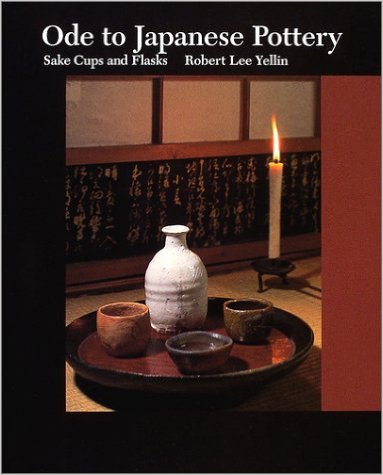
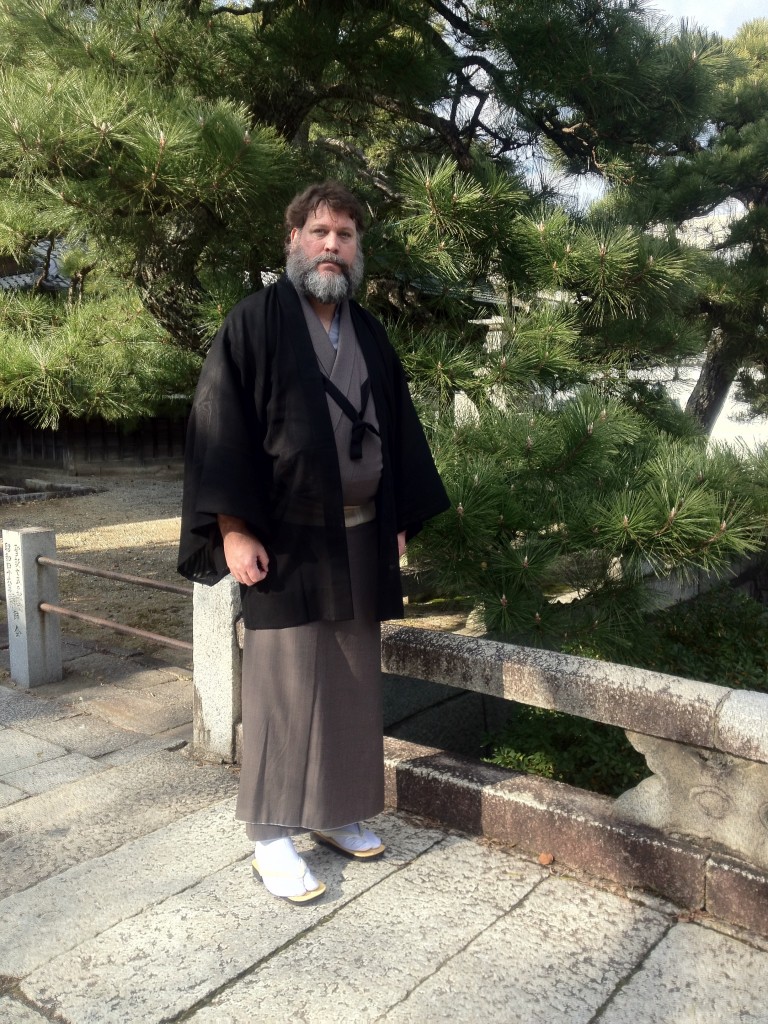
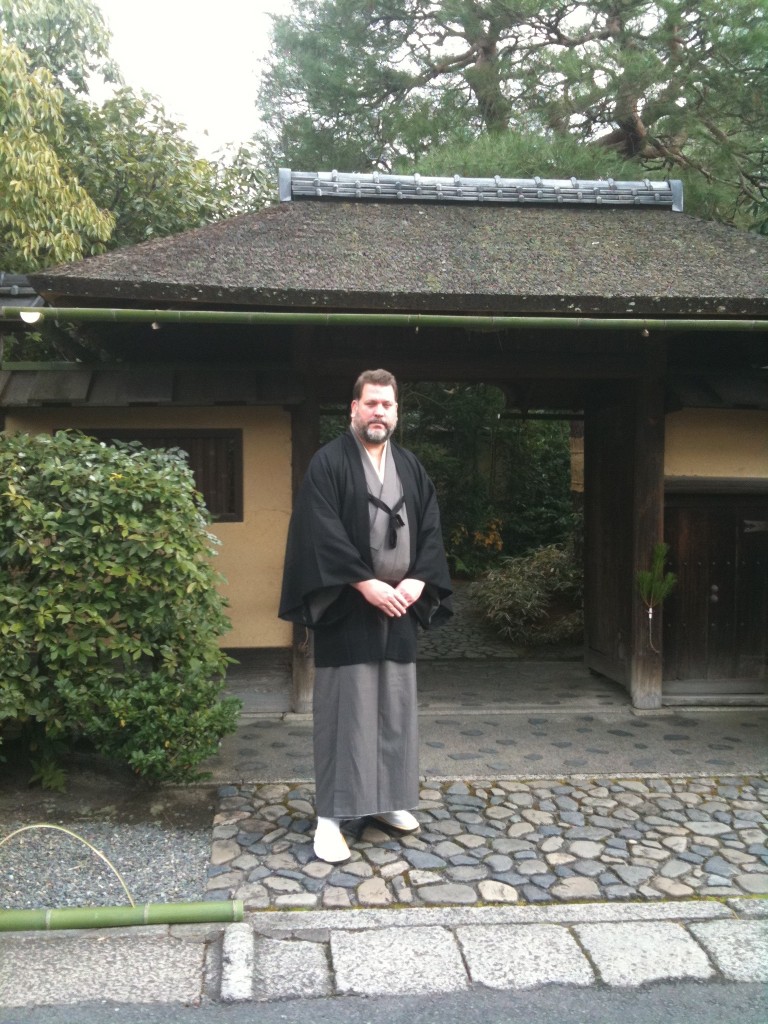
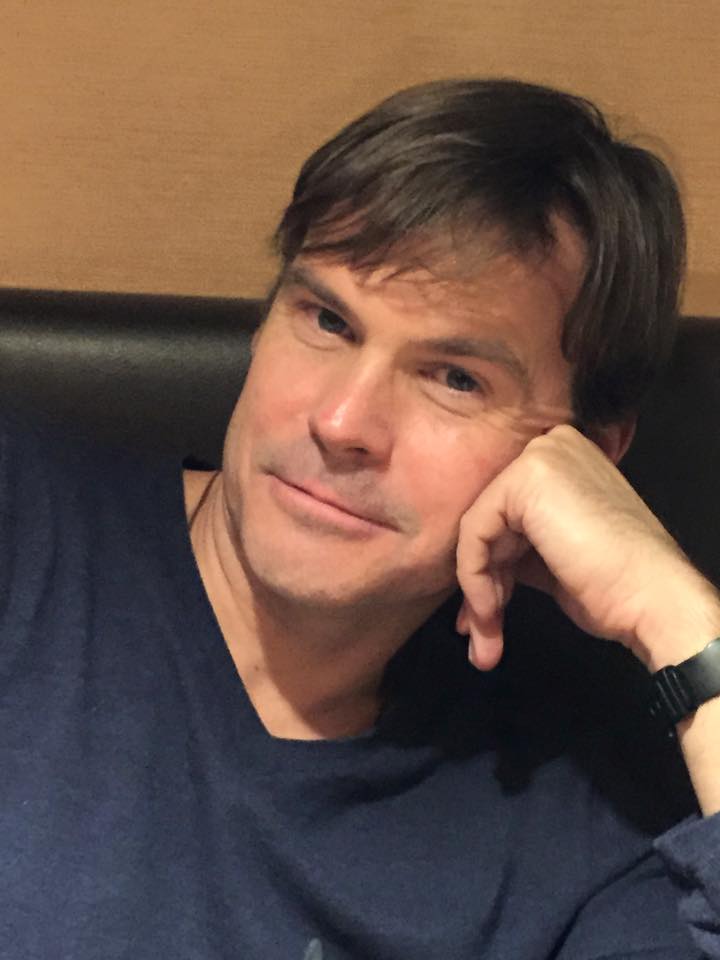
 project, Michael Lambe.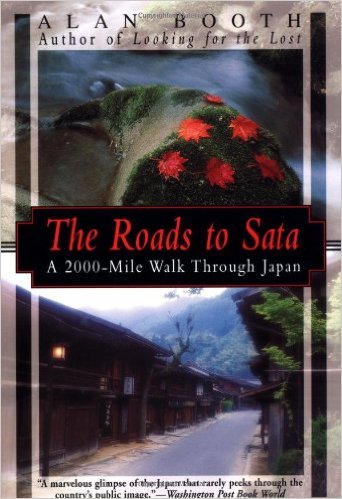

 Işıl Bayraktar is currently MEXT (Japanese education ministry) research student engaged in doctoral research at the Graduate School of Sociology at Kyoto University on family change and aging in Turkey and Japan. She keeps a blog and also writes travel notes, short stories and book reviews for several Turkish journals and books.



Recent Comments